The Latest Technology Transforming the Skincare Industry in 2026
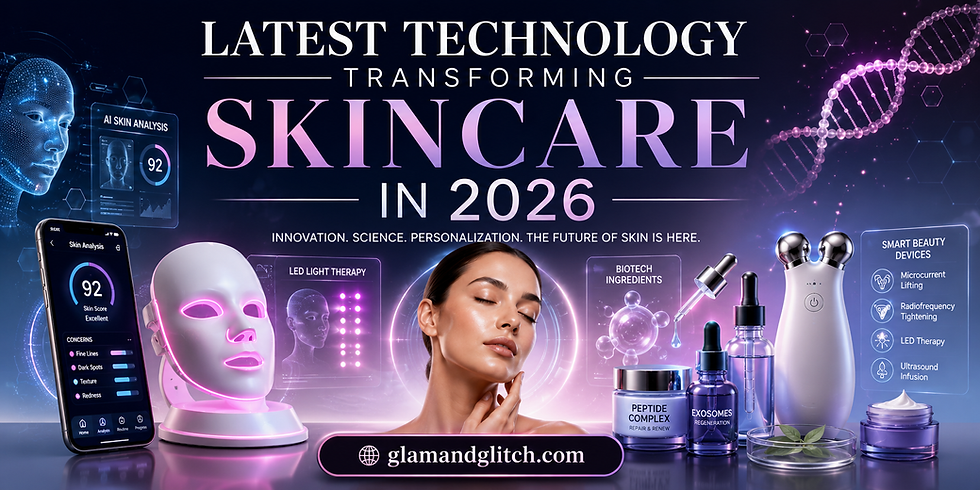
Skincare is no longer limited to cleansers, serums, and moisturizers. In 2026, the beauty industry is being reshaped by advanced technology, artificial intelligence, biotechnology, and professional-grade at-home devices. The focus has shifted from one-size-fits-all products to personalized, science-backed skincare solutions designed around individual skin needs.
From AI skin analysis apps to regenerative ingredients, here’s a look at the biggest technological innovations currently transforming skincare.
1. AI-Powered Skin Analysis & Personalized Skincare
Artificial intelligence is becoming skincare’s newest beauty consultant. AI-powered apps and devices can now analyze your skin using facial scans, identifying concerns such as acne, pigmentation, fine lines, redness, hydration levels, and pore size.
These tools generate personalized skincare routines based on your skin condition, environment, age, and goals. Some platforms even track skin progress over time, adjusting product recommendations as your skin changes.
This technology is making skincare more data-driven and less dependent on trial and error.
2. LED Light Therapy Devices at Home
Professional skincare treatments are increasingly moving into consumers’ homes through high-tech devices, especially LED light therapy masks.
Different wavelengths target different concerns:
Red light: boosts collagen production and reduces wrinkles
Blue light: targets acne-causing bacteria
Near-infrared light: supports skin healing and inflammation reduction
LED masks and handheld devices have become mainstream, offering spa-like treatments from home. Their popularity continues to grow thanks to clinical backing and celebrity endorsements.
3. Biotechnology Ingredients
Biotech beauty is one of the most exciting skincare developments of 2026. Scientists are now creating lab-engineered ingredients that are highly effective, sustainable, and more stable than traditional actives.
Trending biotech skincare ingredients include:
Peptides for collagen stimulation
Growth factors for skin repair
Exosomes for regeneration and healing
NAD+ boosters for skin longevity
Ectoin for hydration and barrier protection
These ingredients focus less on quick fixes and more on long-term skin health.
4. Smart Beauty Devices
Skincare gadgets are becoming smarter and more multifunctional. New-generation devices now combine several technologies into one tool, such as:
microcurrent lifting
radiofrequency tightening
ultrasound therapy
facial massage
heat and cold therapy
These devices aim to improve circulation, reduce puffiness, tone facial muscles, and support collagen production without invasive procedures.
Beauty tech is increasingly positioned as an alternative to expensive in-clinic treatments.
5. Skin Barrier Technology
A major industry shift in 2026 is the rise of barrier-first skincare. Rather than over-exfoliating or overloading the skin with actives, brands are investing in formulations designed to strengthen the skin barrier.
Technology-driven formulas now use:
ceramide complexes
microbiome-supporting ingredients
encapsulated actives
slow-release retinoids
These innovations improve ingredient delivery while minimizing irritation.
6. Regenerative & Longevity Skincare
The skincare industry is increasingly borrowing ideas from longevity science. Instead of simply reducing visible signs of aging, brands are focusing on preserving skin health at a cellular level.
Popular technologies include:
mitochondrial support ingredients
DNA repair enzymes
collagen biostimulators
anti-inflammatory compounds
This category is often referred to as skin longevity skincare, emphasizing prevention over correction.
7. AR and Virtual Beauty Consultations
Augmented reality is improving online skincare shopping and consultations. Virtual skin consultations now allow users to:
scan their face
simulate skincare results
test products digitally
consult skincare experts remotely
This makes skincare more accessible while helping consumers make smarter purchasing decisions.
Final Thoughts
Technology is rapidly redefining skincare in 2026. The future of beauty is personalized, preventative, and science-driven. AI analysis, biotech ingredients, LED devices, and smart beauty tools are making professional-level skincare more accessible than ever before.
As consumers become more educated, skincare is shifting from trend-based routines to customized systems supported by data, dermatological science, and innovation.
The message is clear: skincare is no longer just beauty—it is beauty powered by technology.


Comments