Understanding Acne-Prone Skin: Causes, Care & Best Practices

Acne-prone skin is one of the most common skin concerns across all age groups. From occasional breakouts to persistent acne flare-ups, understanding your skin’s behavior is the first step toward healthier, clearer skin. Acne-prone skin requires balanced care, patience, and the right products—not harsh treatments that strip the skin barrier.
Whether you are dealing with blackheads, whiteheads, hormonal acne, or painful cystic breakouts, this guide will help you understand why acne happens and how to properly care for acne-prone skin.
What Is Acne-Prone Skin?
Acne-prone skin is skin that is more likely to develop clogged pores, pimples, blackheads, whiteheads, or inflamed breakouts. This skin type usually produces excess oil (sebum), but even dry or combination skin can be acne-prone.
Breakouts can appear on:
Face
Forehead
Chin and jawline
Back
Chest
Shoulders
Acne-prone skin can also be sensitive, reactive, and easily irritated by incorrect skincare products.
What Causes Acne?
Acne develops when pores become clogged with oil, dead skin cells, and bacteria. Several factors contribute to this process.
1. Excess Oil Production
Sebaceous glands produce too much oil, leading to clogged pores and breakouts.
2. Hormonal Changes
Hormones can increase oil production, especially during:
Puberty
Menstrual cycles
Pregnancy
Stress
PCOS
3. Clogged Pores
Dead skin buildup mixed with oil traps bacteria inside the pores.
4. Bacteria Growth
The bacteria Cutibacterium acnes can multiply inside clogged pores and trigger inflammation.
5. Stress
Stress increases cortisol levels, which may worsen acne flare-ups.
6. Diet & Lifestyle
For some people, excessive sugar, dairy, processed foods, lack of sleep, and dehydration may contribute to acne.

Common Types of Acne
Blackheads
Open clogged pores that appear dark due to oxidation.
Whiteheads
Closed clogged pores trapped beneath the skin.
Papules
Small red bumps without pus.
Pustules
Inflamed pimples containing pus.
Nodules
Large, painful lumps deep under the skin.
Cystic Acne
Severe, painful acne that often leaves scars.

Signs You Have Acne-Prone Skin
You may have acne-prone skin if you experience:
Frequent breakouts
Oily T-zone
Enlarged pores
Congested skin
Acne scars or marks
Recurring pimples in the same areas
Sensitivity after using harsh products
How to Care for Acne-Prone Skin
1. Use a Gentle Cleanser
Avoid harsh soaps that strip natural oils. Use a mild cleanser twice daily to remove dirt, oil, and makeup.
Look for ingredients like:
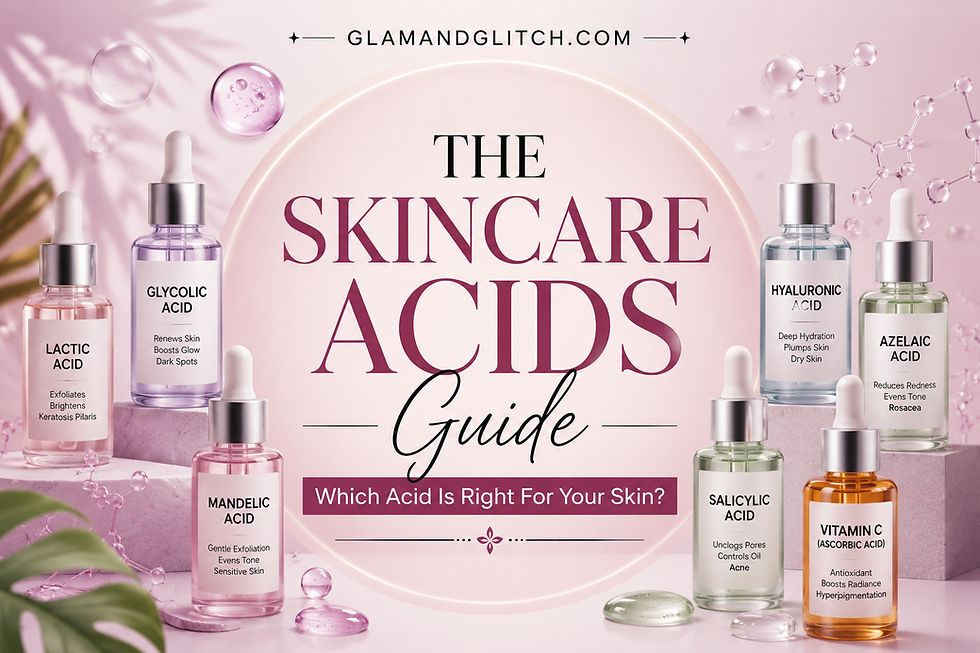
Salicylic Acid
Tea Tree
Niacinamide
Zinc
2. Never Skip Moisturizer
Many people with acne avoid moisturizers, but dehydrated skin can produce even more oil.
Choose:
Oil-free moisturizers
Non-comedogenic formulas
Lightweight gel textures
3. Wear Sunscreen Daily
Sun exposure can worsen acne marks and irritation.
Choose:
SPF 30 or higher
Gel-based sunscreen
Non-comedogenic formulas
4. Introduce Active Ingredients Carefully
Salicylic Acid
Helps unclog pores and reduce blackheads.
Niacinamide
Controls oil production and calms inflammation.
Benzoyl Peroxide
Targets acne-causing bacteria.
Retinol
Improves cell turnover and acne texture.
Azelaic Acid
Helps with acne and post-acne pigmentation.
Start slowly to avoid irritation.
5. Avoid Over-Exfoliation
Too much scrubbing damages the skin barrier and increases inflammation.
Avoid:
Harsh scrubs
Physical exfoliators
Overusing acids
6. Keep Your Skin Barrier Healthy
A damaged barrier can make acne worse.
Focus on:
Hydration
Ceramides
Soothing ingredients
Gentle skincare routines

Ingredients Acne-Prone Skin Should Avoid
Some ingredients may clog pores or irritate sensitive acne-prone skin.
Avoid if they trigger breakouts:
Heavy oils
Alcohol-heavy toners
Fragranced products
Thick comedogenic creams
Overly harsh exfoliants

Best Lifestyle Habits for Clearer Skin
Stay Hydrated
Drink enough water to support healthy skin function.
Change Pillowcases Regularly
Dirty fabrics can collect oil and bacteria.
Avoid Touching Your Face
Hands transfer bacteria and dirt.
Remove Makeup Before Sleeping
Sleeping with makeup can clog pores overnight.
Manage Stress
Stress management can help reduce flare-ups.

Common Myths About Acne
“Acne Only Happens to Teenagers”
Adult acne is extremely common, especially hormonal acne.
“Oily Skin Doesn’t Need Moisturizer”
Skipping moisturizer can worsen oil production.
“Scrubbing Harder Clears Acne Faster”
Aggressive scrubbing increases irritation and inflammation.
“Sunlight Cures Acne”
Too much sun can damage skin and worsen pigmentation.
When to See a Dermatologist
Consult a dermatologist if:
Acne becomes painful
Breakouts leave scars
Over-the-counter products don’t help
Acne affects confidence or mental health
You experience cystic or hormonal acne regularly
Professional treatments may include:
Prescription creams
Oral medications
Chemical peels
Laser treatments
Hormonal therapy
Final Thoughts
Acne-prone skin needs consistency, balance, and gentle care—not aggressive treatments. Understanding your skin type, triggers, and proper ingredients can help you manage breakouts more effectively over time.
Healthy skin is not about perfection. With the right routine and patience, acne-prone skin can become calmer, stronger, and healthier while maintaining its natural glow.
For more beauty, skincare, fashion, and wellness trends, visit GlamAndGlitch.com


Comments